
Have you ever thought of being a developer ?
Not a software developer or game developer or web developer but as a property developer.

""Many number of people became wealthy through
Property investment , Property management like a landlord
Property development , Property technology like a developer""
Being a property developer ,
Developing a property brings with it a certain satisfaction as it adds value to the property, as you revive a neglected building back to life. If you do it perfectly , it brings financial rewards in both the short or long term.
Most people think that property development is too hard and only suitable for professionals. In fact most don’t have the time, knowledge, skills or contacts to become developers.
 To become a property developer you need a point of entry to the business. Some real estate developers start out as contractors. Others begin their careers as real estate brokers. Then others start out as financiers. And some begin as either architects or civil engineers. Each one of these rolls teaches you a fundamental skill required to be successful in the business (construction, marketing, finance, and product design).
Real estate development is inter-disciplinary and you need to start with one of these skills to get your foot in the race where 100's of reputed property developer companies in Ind . Ultimately, to get started, you need a property to develop. Once you identify the property, everything else flows from there.
The experience of going through the MBA program will give you discipline and a great background for any business endeavour. It will give you domain specific knowledge on specific areas like management , finance , operations , market research or hands-on experience in construction management field or as a property developer. It will accelerate your startup because of developing a key skill from MBA.
"Theory is one thing but application is important"
Alternative to MBA's
Attend seminars or workshops conducted by CREDAI or NAREDCO or pursue courses on udemy or coursera or attend real estate developer meet-ups in your area and network with local investors or real estate professionals to get started with the basic overview on property development process and gives you important insights in the real estate industry.
The most important skills for developers is project management and problem solving skills.
In simple words to understand "what developers really do ?"
They take raw land for commercial or residential developments or land they can redevelop and create profitable outcomes for themselves, their investors or partners for short-term by selling or longterm by leasing them so as property appreciates in value which benefit developers in both ways. The profits they get through selling or leasing will be used to pay off the mortgages or used to invest in future development projects.
Various development projects like developing residential homes , subdivisions, commercial properties, townhouses , condominiums, apartments etc., Tons of opportunities in the real estate industry once you exactly know what you are doing..
How to get started as a Property Developer?
If you have a startup , then surely you need to have a business plan and model so that VC's or NBFC or HNI will show interest to invest in your first development project.
Get funding:
 There are a number of funding options open to property developers, from mortgages to bridging loans. Which one you choose will depend on your circumstances and the type of property you buy. Often if a property is run down and has little value, you might find it harder to get a mortgage that would cover the renovation costs. A bridging loan could help you in this situation.
Other options include angel investors, family and friends, or re-mortgaging your current home. Most of these funding options do come with risks and if payments are not kept up properties could be seized
.
Know your market:
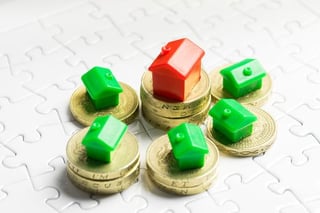 Some areas are prime for property developers. For example, some places benefit from cheap homes and land, but actually enjoy a thriving rental market thanks to the locality of a nearby institution like a hospital or university.
When on the hunt, it’s also worth brushing up on local planning rules. One of the big costs often forgotten about when redeveloping a property is a project being shut down when an application is rejected. Find out what the local rules are, if there are any Conservation Zones or if the building is listed
.
Buy at the right price:
 Once you know the market, you should be able to estimate what most properties in the area are worth, what the rent would be on them, and whether you can add value. A good tip is to never buy the most expensive house on the street as you’ll struggle to add value.
For good deals, try property auctions. Bridging loans can help you in these situations. Or, approach property owners directly. This works well if someone has a large estate with disused buildings that could be transformed. They might not have the money to do the work, so you could get the buildings at a cut price.
Knowing when the right time is to buy and sell can also add thousands to your bottom line. And there’s no need to rush into it. It might be that you’ve found the right property but don’t have the finance in place, or you were ready to sell and buy the next one but the chain collapsed. Using a bridging loan in these circumstances can give you the breathing room and flexibility you need
.
Add value:
 Value is key. This means finding the right property to develop. Look for things like un-used loft spaces that could be bedrooms, large gardens that can be sold off, empty outbuildings, or whether the building could be split into flats.
And with many property developments, time is of the issue; get professionals to do a good job fast. Ask around for recommendations for reliable builders and don’t pay off the books. It might be cheaper in the short term, but it’ll be costlier in the long run.Then make sure you get the right people to do the right job. There are many things you can do yourself but don’t think that just because someone on Grand Designs built their own home you can easily do the same. Plus, with electrical, plumbing and gas installations having a certified installer is key
.
Don’t get personal
Remember, the property you are dealing with is not your home. That should be your mantra as a property developer – it’s not your home. Develop a property that is right for the market, not to your own tastes.
Benefits of becoming a property developer:
When you become involved in the property development process, you could benefit in the following ways:
1. Savings
Rather than buying properties at retail, you can acquire your investments 15- 20% below their market cost. This is because you don’t pay developer’s margin, agent’s commission, GST, marketing and other costs usually included in the price of buying real estate.
2. Profits
3. Easier finance
4. Leverage
5. Tax benefits
6. Higher rental return
7. Security
Of course there is always two sides to the coin – clearly there are significant potential risks if you get involved in property development.But taking risks in real estate can either benefit you with huge financial rewards or completely breaks you , if you do it without understanding the ROI or risk associated with the property.
Comments
Post a Comment