
Property development as a process:
Buildings are developed to fulfill a range of uses and purposes and many different people are involved in planning, designing, funding, constructing and managing them.
The real estate development process involves a complex mix of stages, interests, resources, technologies, negotiations, driving forces and outcomes. This makes it a challenging, but exciting, world in which to work.
These characteristics also make it an intriguing process to explain and analyse. Views of property are quite varied. We can break it down into distinct stages or seek to measure the ‘flow’ of money or other resources through the ‘pipeline’ or ‘system’.

The above figure gives a basic overview on the real estate development process. The following model breaks down the process into the set of stages that helps you to understand , how property development company produce a new building.
Site finding:

Site finding involves a range of techniques which includes checking news-paper advertisements ,auditing local planning documents, persuing maps ,asking to real-estate agents , walking or driving around preferred locations and monitoring list of government land tenders.
There are many property listing websites which use some advanced features like heat maps, price data of property for 10 years which gives additional advantage to the buyers to analyse the property and compare with the other properties to choose the perfect site at best suitable price in the market.
Analysis of supply and demand :
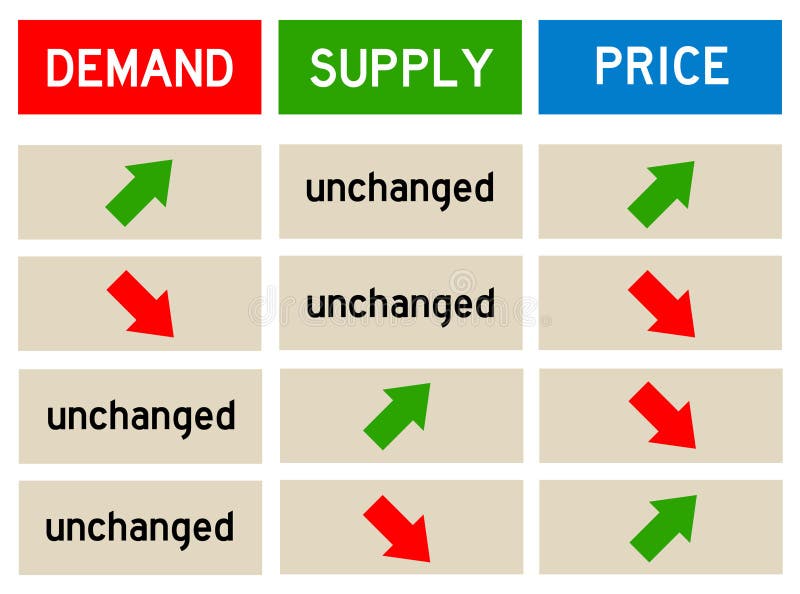
This is most crucial factor to consider before investing in a property. A investor or landlord or development company will examine the market demand for different types of property in particular areas, as well as supply in those places.
Buyers vs sellers market place in real estate
:max_bytes(150000):strip_icc()/supply-and-demand-graph-482858683-0d24266c83ee4aa49481b3ca5f193599.jpg)
According to many analysts and economists , the balance of demand and supply is what triggers the decision to develop which gives added advantage of buying the property below the market value probably 20% down.
Investments and ROI :
 Before an investor or developer decides to invest money in the property, they will look at risk return profits of the range of alternative investments.
Generally developers get funded for the development project from loans from NBFC's or banks , HNI's, equity of the previous development project (Return on Investments).
Decision to develop:
Taking into account investments, market demand ,competing supply and company's strategic objectives the investor or developer will start to look for specific sites to build their new property or redevelop the existing property.
Development appraisal:
"An objective financial viability test of the ability of a development project to meet its costs including the cost of planning obligations, whilst ensuring an appropriate site value for the landowner and a market risk adjusted return to the developer in delivering the project”.
 From a valuation point of view it is an objective test of financial liability. Valuers use a residual method of valuing which recognises that the value of the scheme is a function of many different elements. A well informed valuer will seek to check the valuation against any market evidence where available. A valuer can assess the level of return generated from the proposed project and also establish the residual site value by inputting pre-determined levels of returns.
From a planning point of view it involves research into the constraints and opportunities evolving from the location, legal and planning aspects of potential sites as well as their physical characteristics. This can be a complex process but in terms of planning, the document provides a basic guide to the types of information the council needs in order to evaluate the economic viability of a development.
 From a valuation point of view it is an objective test of financial liability. Valuers use a residual method of valuing which recognises that the value of the scheme is a function of many different elements. A well informed valuer will seek to check the valuation against any market evidence where available. A valuer can assess the level of return generated from the proposed project and also establish the residual site value by inputting pre-determined levels of returns.
From a planning point of view it involves research into the constraints and opportunities evolving from the location, legal and planning aspects of potential sites as well as their physical characteristics. This can be a complex process but in terms of planning, the document provides a basic guide to the types of information the council needs in order to evaluate the economic viability of a development.
For developers the document may set out whether the proposed development will impact on, or be impacted by the Local Plan, planning history, environmental constraints and effects on the local community and local businesses.
Where a planning obligation reduces the site value to the landowner and return to the developer below an appropriate level, land will not be released and or development will not take place so a development appraisal is of pivotal importance.
When is a development appraisal useful?
- To establish the level of affordable housing
- To assess the level and nature of planning obligation contributions
- Reviewing land uses
Land Assembly:
Getting a legal title to land so a developer can build on , is another potential complex stage of the process. There is always a struggle between landowners and developers for the profits from land development . This lets developers to use a range of strategies techniques to minimise the risks involved when purchasing potential development sites. They will often buy land in advance of development , creating a land bank with a portfolio of sites with or without planning permission other ways of managing risk is to enter into the some arrangement with the land-owner to share the risks and rewards.
Planning application:
Almost all major developments will require the submission negotiation approval of the planning application this can take some time as it's with a commercial objectives of real estate development process meet the public policy objectives of the government narrative priorities of local communities. Final decisions need to be made on the basis of considerations that are relevant to planning.
It's a like laws made by the local authority or central government to release the material considerations for or against granting of planning permissions and comes to a balanced view.If an application is refused by the local planning authority, developer or investor can appeal again.
RERA Real Estate Regulation Authority

Planning can also affect other stages in the development process. Foe instance, the likelihood of getting planning permission for certain use and the scale of development with impact the developer's decision to invest in first place and the exact locations and sites they might search for. It also affect the latter stages as any planning permission will have planning conditions or may be legal agreements attached to it which will have implications for design, construction, and materials.
Preparing Development programme:
Having gained planning approval by the government authorities , the developer or investor will need to build the scheme . The build programme might be organised within the development company , but more often the developer will put together a team of professionals to take the project forward.

Here at this stage strategies and techniques for construction will be discussed and agreed on before moving to the next stage.
Construction:
The requirement here is to secure the services of a construction company , balancing the costs involved against the level of control retained by the project manager.
Disposal:
After the construction, the developer will need to recoup their costs and makes a profit. They may sell the property to an investor or someone who wishes to occupy it . Or they may decide to keep it themselves as an investment property and rent it out , making profits from rents and from any rise in capital value as property appreciates over longterm.
Building in use or property management:
 Once people occupy the completed building which was developed by development company it will need to be managed over the period of use. In a commercially rented building some services would be provided by the owner of the developed or redeveloped property and others would become the responsibility of the tenant . This would be tied -up in a lease (legal-contract) which would run for a specific period of time.
The building fabric is likely to deteriorate as it is used and it might lose its efficiency and quality against a range of criteria. The owner is therefore constantly weighing-up thr value of the building to them and its potential value if they sell it , change its use , renovate it or redevelop it. Thus , at some stage the real estate development or redevelopment process start again! Thus making real estate a most thriving and profitable business even as a investor , developer ....
By
VIJAY BODUGULA
(JAY KANNAN)
Comments
Post a Comment